

What is Fit Capability?
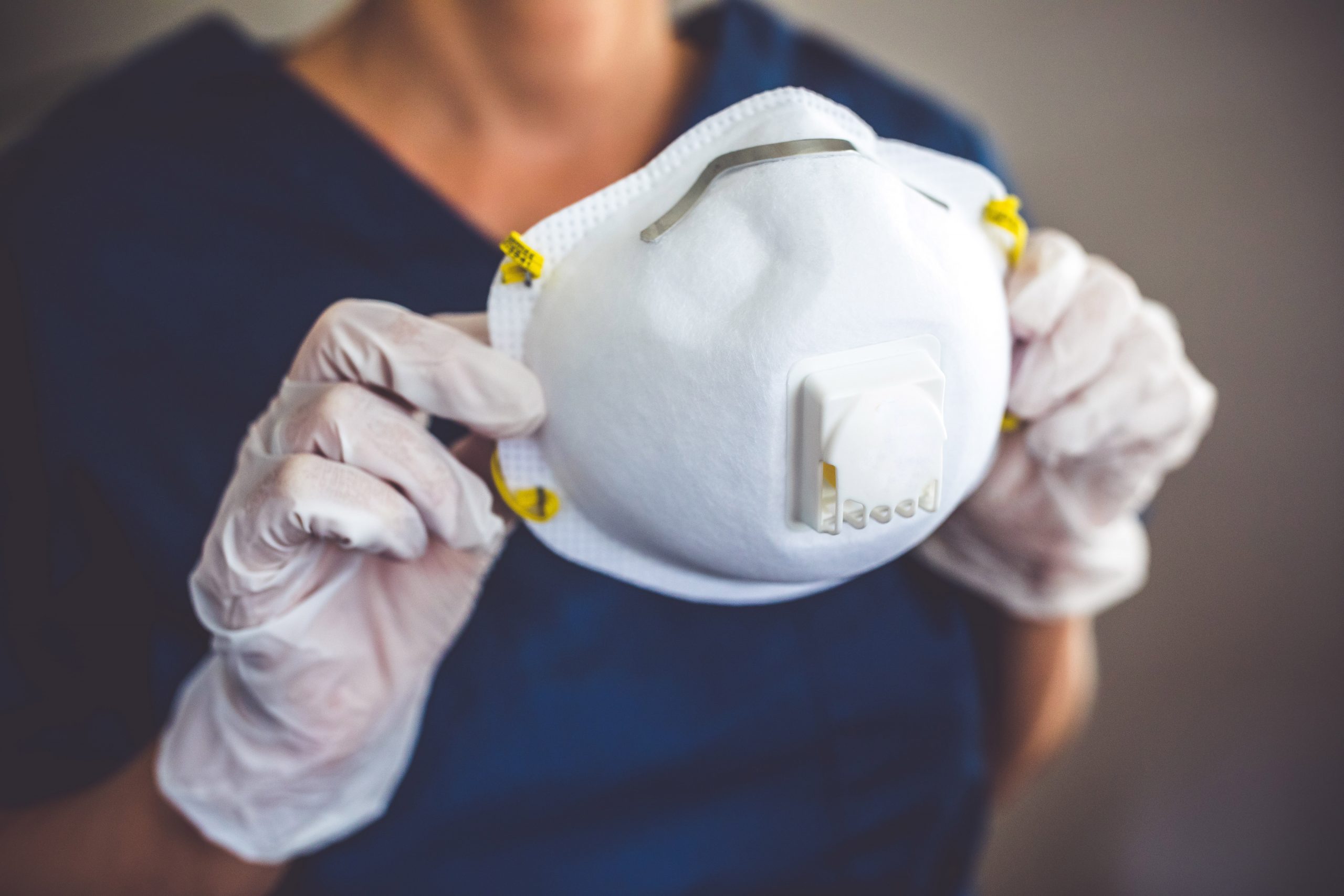
Fit Capability testing evaluates how well a respirator facepiece fits a wide range of facial sizes and shapes using the NIOSH Bivariate Test Panel. Fit is measured by a fit factor, calculated from particle leakage while subjects perform eight exercises—such as talking, bending, and head movements—inside a sodium chloride aerosol chamber.
Under ASTM F3407, respirator models (single or multiple sizes) must meet defined pass/fail criteria across the test panel. The fit factor is the ratio of particles outside the respirator to those inside. A passing fit factor is 100 or greater, meaning outside particle levels are at least 100 times higher than inside. To pass, at least 13 of the 25 test subjects must achieve a fit factor of 100 or more.
Barrier Face Coverings are also required to assess leakage, and one option is using a modified F3407 method. This approach reduces the panel size from 25 to 10 and reports a leakage ratio (outside particles compared to inside). Enhanced Performance require a leakage ratio of ≥ 5, while Enhanced Performance Plus requires ≥ 10.
Applicable Standards
- ASTM F3407 Standard Test Method for Respirator Fit Capability for Negative-Pressure Half-Facepiece Particulate Respirators
- ASTM F3502 Standard Specification for Barrier Face Coverings
Why Fit Capability Matters?
A proper seal between the facepiece and the wearer’s face is critical to effective performance. Fit Capability testing gives users confidence that tested respirators and barrier face coverings are more likely to fit a broad workforce population when properly fit tested, donned, and used. For manufacturers, this testing supports the development of products with improved fit and overall performance.
A minimum of 25 test units per size, plus additional units as spares, is recommended for a 25‑subject panel; a minimum of 10 test units per size, plus spares, is recommended for a 10‑subject panel.