

We are pleased to announce that Nelson Labs will be at the Smithers Extractables & Leachables (E&L) US 2026 in Alexandria, Washington, DC on May 18-19.
Join our presentation!
Speaker: Philippe Verlinde, PhD, Principal Scientist, Nelson Labs
When: Thursday, May 18, 2026, 2:30 PM
Title: Considerations on how to de-risk unidentified medical device organic extractables from being Cohort-of-Concern Compounds in GC/MS and LC/MS.
Abstract:
Introduction: When performing Non-Targeted Analysis (NTA) for organic extractables using orthogonal and complementary chromatographic methods, it frequently happens that reportable compounds cannot be identified, leaving a significant concern that they may have the potential for highly potent toxicity [for example, ICH Q3E Class 1 substances to be avoided and/or Cohorts-of-Concern (CoC)].
To address this concern, Nelson Labs has developed a three-phase strategic framework to systematically de-risk unidentified compounds from being a CoC.
Phase 1: Establishing Alerts. The first phase involved identifying 12 CoC compound classes relevant to E/L evaluations, based on international standards and guidance.
Phase 2: Direct Identification: Nelson Labs has analyzed authentic reference standards for about 90 of the most common CoC compounds, selected across the 12 CoC Classes. Their mass spectra, retention times, and Relative Response Factors (RRF) were integrated into the Nelson Database. If these specific compounds are encountered during NTA, they are therefore correctly identified and accurately quantified.
Phase 3: Broadening the Safety Net: The Phase 2 approach does not address possibility that unknowns could be CoC compounds other than those included in the Nelson database. One solution to this issue is to expand the search for COCs to larger commercial databases such as NIST/WILEY. To answer the question “how many COC compounds are present in these commercial libraries?”, Nelson Labs performed an investigation of the 12 retained CoC structural classes in SCIFINDER and for each class of CoC Compounds, the 100 most frequently reported CoC-compounds were listed— using publication frequency as a proxy for toxicological relevance.
Subsequently, Nelson verified which of these compounds had their mass spectrum listed in NIST or WILEY. Over 600 CoC compounds were present in these commercial mass spectral libraries, which means that these compounds would have been identified if NTA included mass spectral matching against these databases. Furthermore, by applying the RRF data from the Nelson Database across these classes, all these compounds can be effectively addressed at levels at or above the AET.
Conclusion: While it is not possible to give a 100% guarantee that an unidentified reportable compound is not a CoC compound, this three-phase approach provides a robust scientific basis for de-risking CoC concerns for unidentified compounds present in medical device extracts.
Download the full agenda here: AGENDA
More information about the conference can be found here.
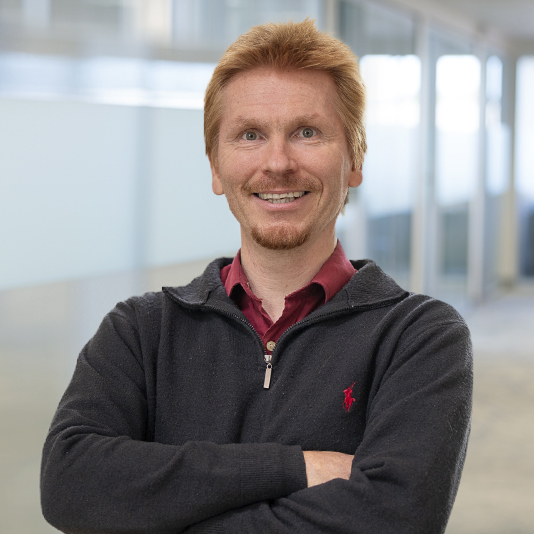
Philippe Verlinde, PhD
Principal Scientist
Dr. Verlinde received his Ph.D. from the Faculty of Bioscience Engineering at the University of Leuven (Belgium) in 2009. He worked as a postdoctoral fellow at the University of Leuven (Bioscience Engineering), conducting research in the field of food technology and analytics. From 2010 to 2013 he joined the Institute for Reference Materials and Measurements (IRMM) of the European Commission’s Joint Research Centre as a scientific support officer and was involved in several research projects in the field of method standardization (CEN, ISO), proficiency testing and regulatory aspects of environmental pollutants and food safety. Due to his background, he has gained strong expertise in analytical chemistry, especially in the field of structural elucidation techniques (NMR, MS), method development and validation, and trace analysis by chromatography (GC & LC) hyphenated to mass spectrometry (small molecules). In 2013 he joined Toxikon Europe as an analytical expert and study director at the Pharma Department, focusing on impurity identification projects. Since 2016 he is acting as a senior scientist in the R&D team at Nelson Labs Europe and is involved in automation projects and the development of state-of-the-art analytical services related to extractables and leachables studies for the pharmaceutical and medical device industries.