The new cleanroom at our global headquarters in Salt Lake City, Utah, was designed for today's rigorous contamination control expectations, driven by EU GMP Annex 1. Learn More
Typically, end-product testing for endotoxin is performed post-sterilization. Performing testing post-sterilization allows for the entire manufacturing process to be evaluated for potential impact on the product or endotoxin levels. Although post-sterilization testing is typically recommended, pre-sterilization testing may be performed...
As endotoxin contamination on a drug product can be difficult to destroy or remove, measures built into the manufacturing process can help prevent endotoxins entering the production chain. Therefore, these single-use systems, used during production, are required to contain low...
Endotoxin has the potential to trigger a pyrogenic response when introduced into the body. This response is dependent on the amount of endotoxin that is present and where in the body it has been introduced. Points of contact of concern...
The name PPC or Positive Product Control is dropped regularly when discussing an endotoxin detection method. It is an essential part to demonstrate the validity of an endotoxin test. The LAL assay is a biological, enzymatical assay. It is based...
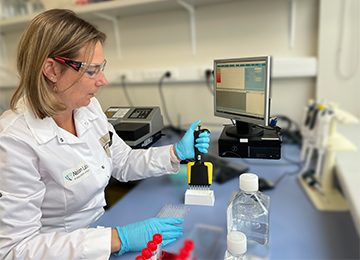
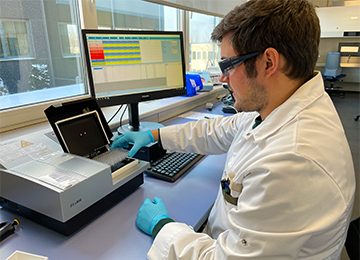
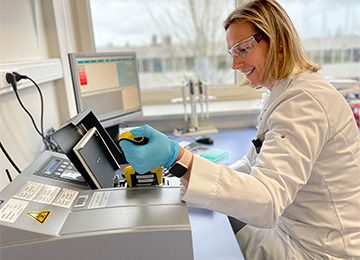
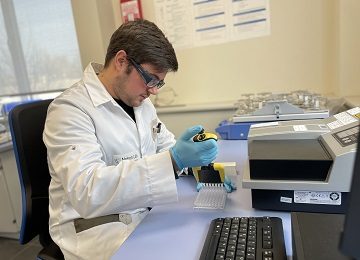
Medical devices and pharmaceuticals that come into contact with blood, lymphatic or cerebrospinal fluid should be free of harmful levels of endotoxins. Endotoxins are detected using the BET or Limulus amebocyte lysate (LAL) test. The BET uses the lysate of...