

8 Expert-Led Webinars. One Complete framework.
Each webinar explores a critical component of biological evaluation. Together, all eight webinars build a comprehensive strategy for scientifically sound, risk-based decision making.
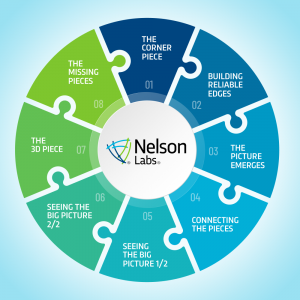
The Biological Evaluation Puzzle: Building a Complete ISO 10993 Strategy
This eight-part webinar series explores the evolving landscape of ISO 10993 biological evaluation and the increasing need for manufacturers to build scientifically rigorous, risk-based justifications rather than relying on traditional testing frameworks alone.
This webinar series connects materials, chemistry, toxicology, exposure assessment, lifecycle considerations, supplier information, and implantation evaluation. Participants will gain a deeper understanding of how modern biological evaluation integrates multiple disciplines into a single defensible strategy.
Each session examines critical decision points that influence regulatory expectations, helping manufacturers strengthen endpoint rationales, anticipate emerging evidence requirements, and develop biological evaluations that are both scientifically credible and review ready.
As the series progresses, attendees will explore complex topics shaping the future of medical device safety assessment, including analytical chemistry advances, Threshold of Toxicological Concern (TTC) and Analytical Evaluation Threshold (AET) considerations, ethylene oxide residual risk, device reprocessing, end-of-life impacts, and long-term implant evaluation. The series concludes with a forward-looking discussion on New Approach Methodologies (NAMs) and their growing role in biological evaluation programs. Together, these sessions provide regulatory, quality, toxicology, and R&D professionals with a comprehensive framework for understanding current expectations, addressing emerging challenges, and preparing for the next generation of biological evaluation strategies.
Part 1 – The Corner Piece: The New Logic of ISO 10993 Biological Evaluation
Now Available on Demand: One Registration for the Full Series
Speaker: Thor Rollins
This opening webinar introduces the evolving logic behind ISO 10993 biological evaluation. Attendees will learn how to move beyond a checklist-based testing approach and build a risk-based strategy that connects materials, chemistry, toxicology, exposure, clinical context, and risk management into a clear, scientifically credible, and defensible biological evaluation.
Part 2 – Building Reliable Edges: Four Critical Areas for Manufacturers in ISO 10993-1
Now Available on Demand: One Registration for the Full Series
Speaker: Audrey Turley
This webinar examines four areas that can significantly influence biological evaluation planning: risk estimation, bioaccumulation, lifecycle evaluation, and foreseeable misuse. Attendees will gain a clearer understanding of how these considerations can affect testing decisions, increase evidence requirements, and create regulatory review challenges if they are not addressed with a strong scientific rationale.
Part 3 – The Picture Emerges: Understanding TTC, AET, and the New Chemistry Reality
Now Available on Demand: One Registration for the Full Series
Speaker: Taryn Meade Brow
This webinar explores how evolving Threshold of Toxicological Concern and Analytical Evaluation Threshold expectations are changing chemical characterization programs. Attendees will learn why lower thresholds can identify more compounds, increase toxicological assessment demands, and require more thoughtful decisions about analytical depth, patient exposure, cost, and overall biological risk.
Part 4 – Connecting the Pieces: Exposure, EO risk, and the Reality of 10993-7
Now Available on Demand: One Registration for the Full Series
Speaker: Robert Mueller
This session examines exposure as the central consideration when assessing ethylene oxide residual risk under ISO 10993-7. Attendees will explore how cumulative exposure affects residuals decisions, where interpretation and justification commonly become difficult, and what information is needed to support a scientifically sound and review-ready regulatory rationale.
Part 5 – Seeing the Big Picture: End-of-Life for Single Use Devices
Now Available on Demand: One Registration for the Full Series
Speaker: Elisabet Jamez
This webinar explores how storage, packaging interactions, material aging, and shelf life can affect the biological safety profile of single-use medical devices. Attendees will learn how to incorporate lifecycle considerations into biological evaluation programs and use risk-based approaches to demonstrate that newly manufactured and aged devices maintain an equivalent level of biological safety.
Part 6 – Seeing the Big Picture: End-of-Life for Reprocessed Devices
Now Available on Demand: One Registration for the Full Series
Speakers: Elisabet Jamez & Katleen Peymen
This session examines how reprocessing, repeated use, wear, degradation, and end-of-life conditions can alter device materials and patient exposure. Attendees will learn how to evaluate these real-world lifecycle factors and build a defensible biological rationale that addresses the device from initial use through reprocessing, reuse, and eventual disposal.
Part 7 – The 3D Piece: Implantation Testing and Long-Term Thinking in Modern Biological Evaluation
Wednesday, October 28, 8:00 AM MT / 10:00 AM ET / 3:00 PM CET
Speaker: Chris Parker
This webinar focuses on the distinct biological evaluation considerations associated with implantable devices. Attendees will explore how ISO 10993-6 supports the assessment of local tissue response and how implantation duration, healing, material changes, device context, and lifecycle considerations should be integrated into a stronger long-term biological safety rationale.
Part 8 – The Missing Pieces: NAMs and the Future of Biological Evaluation
Wednesday, November 11, 8:00 AM MT / 10:00 AM ET / 4:00 PM CET
Speaker: Audrey Turley
The closing session looks at the growing role of New Approach Methodologies in biological evaluation. Attendees will learn where non-animal methods are gaining regulatory acceptance, where limitations remain, and how manufacturers can begin incorporating NAMs into long-term planning while continuing to support current biological evaluation requirements with established approaches.
Learn more about the presenters below.
One registration provides access to the full 8-part webinar series.